Caring for Your BOCA Garments
A well-made garment, properly cared for, will serve you for years — even decades. Our guide to cleaning, storing, and maintaining your investment pieces, drawn from the wisdom of our tailors and the experience of our most discerning clients.
The first and most important rule: wear your clothes. Garments left hanging in a wardrobe deteriorate faster than those worn regularly. Natural fibres — wool, cotton, linen, cashmere — are remarkably resilient when given the chance to breathe between wearings. We recommend rotating your shirts and suits to allow at least a day's rest between each wearing.
Cleaning should be approached with restraint. Suits rarely need dry cleaning; in most cases, a thorough brushing after each wearing removes surface dust and prevents soil from embedding in the fibres. Use a natural bristle clothes brush, working with the grain of the fabric in long, sweeping strokes. Spot-clean minor marks with a damp cloth before considering professional cleaning.
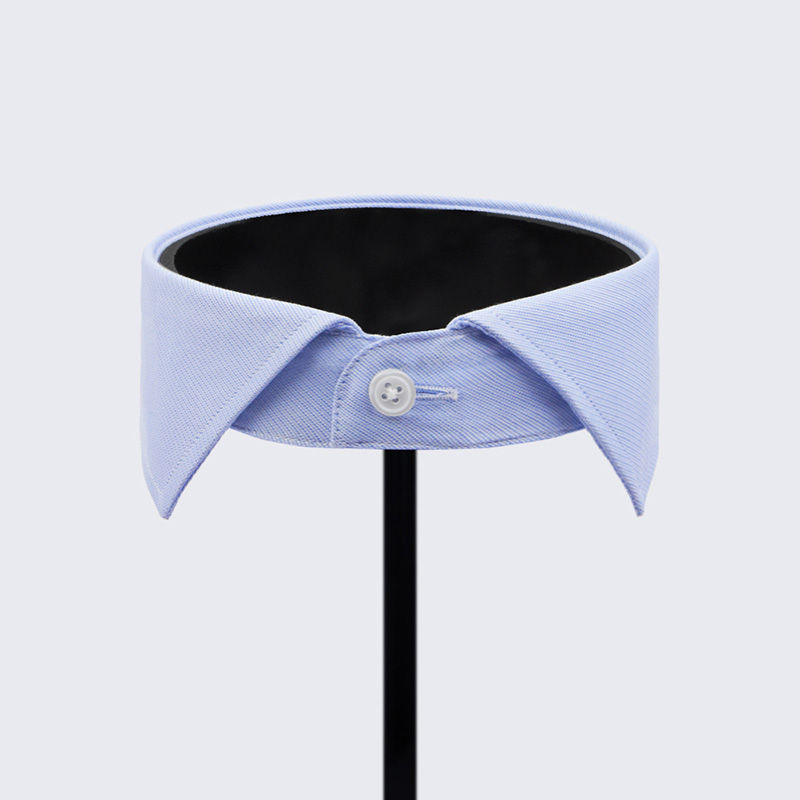
For shirts, gentle machine washing at 30°C preserves both fabric and construction. Use a mild, fragrance-free detergent — harsh chemicals break down cotton fibres over time. Button all buttons before washing to prevent stress on the buttonholes, and turn the shirt inside out to protect the collar and cuff surfaces. Line dry whenever possible; if using a tumble dryer, select the lowest heat setting and remove the shirt while slightly damp.
Ironing is best done while the fabric retains some moisture. For cotton, a medium-hot iron produces the crispest results. For linen, embrace a gentler approach — press if you must, but allow the fabric to retain some of its natural texture. We iron our shirts on the inside first, then finish the collar and cuffs on the outside for a polished appearance.
Storage matters more than most people realise. Suits should hang on contoured wooden hangers — never wire — with enough space between garments for air to circulate. Cedar blocks or lavender sachets provide natural moth protection without the chemical smell of mothballs. For seasonal storage, breathable garment bags are essential; plastic traps moisture and encourages mildew.
Finally, befriend a good tailor for maintenance. Loose buttons, small tears, and worn cuffs are all easily remedied when addressed promptly. A stitch in time, as the saying goes, saves nine — and in the case of a well-loved garment, it saves something far more valuable: the pleasure of wearing a piece that has become uniquely, irreplaceably yours.